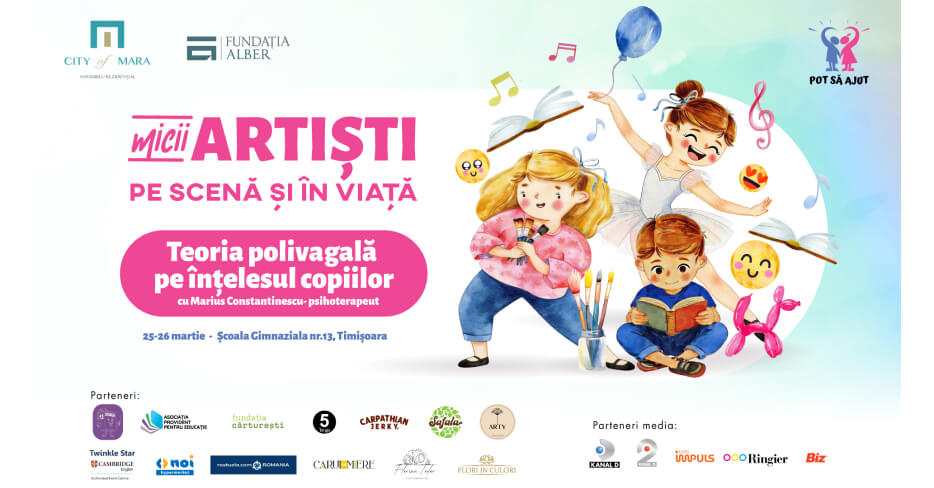
Little Artists. On Stage and in Life, Timișoara.
Polyvagal Theory for children, with Marius Constantinescu.
Powered by
Project details
- Date: March 25, 2026
- Location: Secondary School No. 13, Timișoara
Free resource
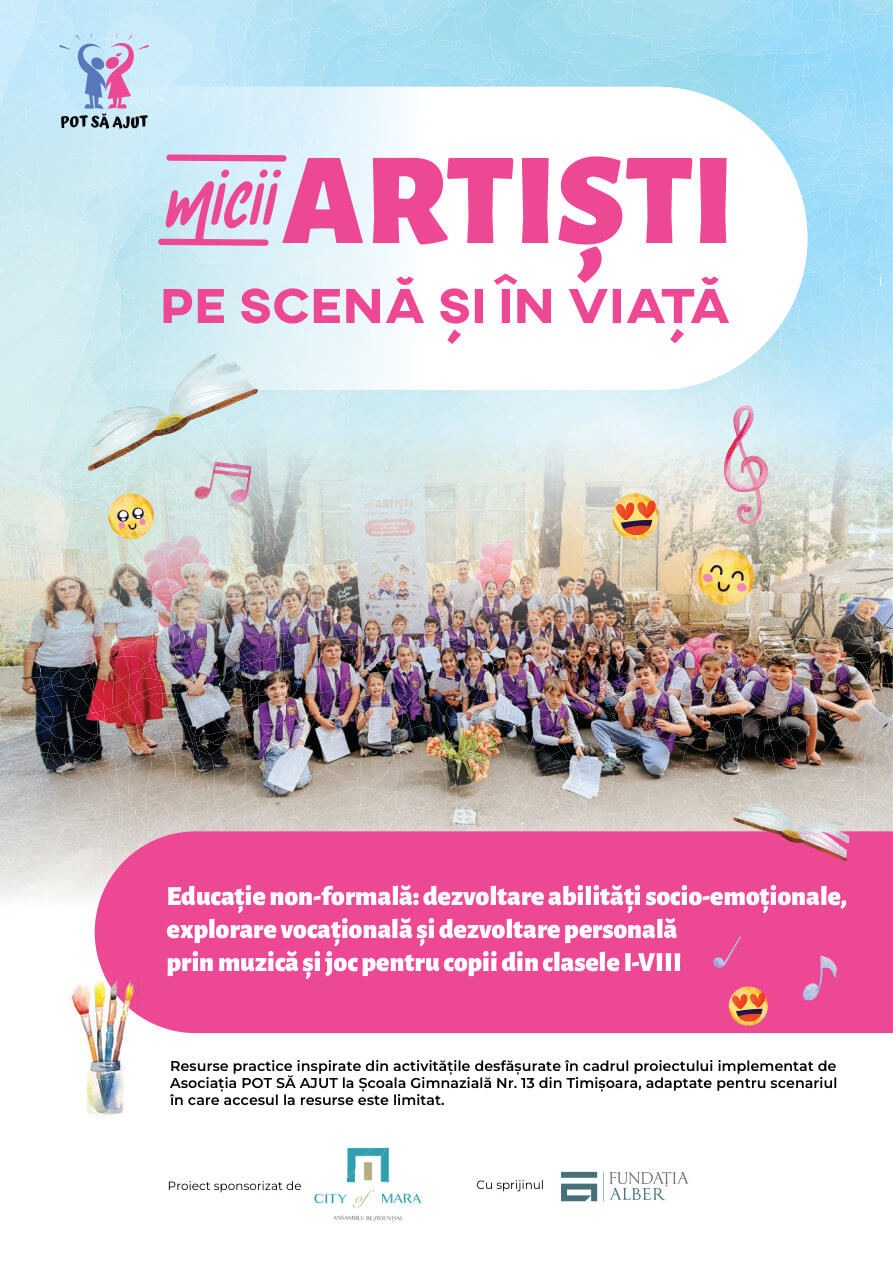
Micii Artiști Guide. On Stage and in Life.
Practical exercises in emotional education, career exploration and personal development through music.
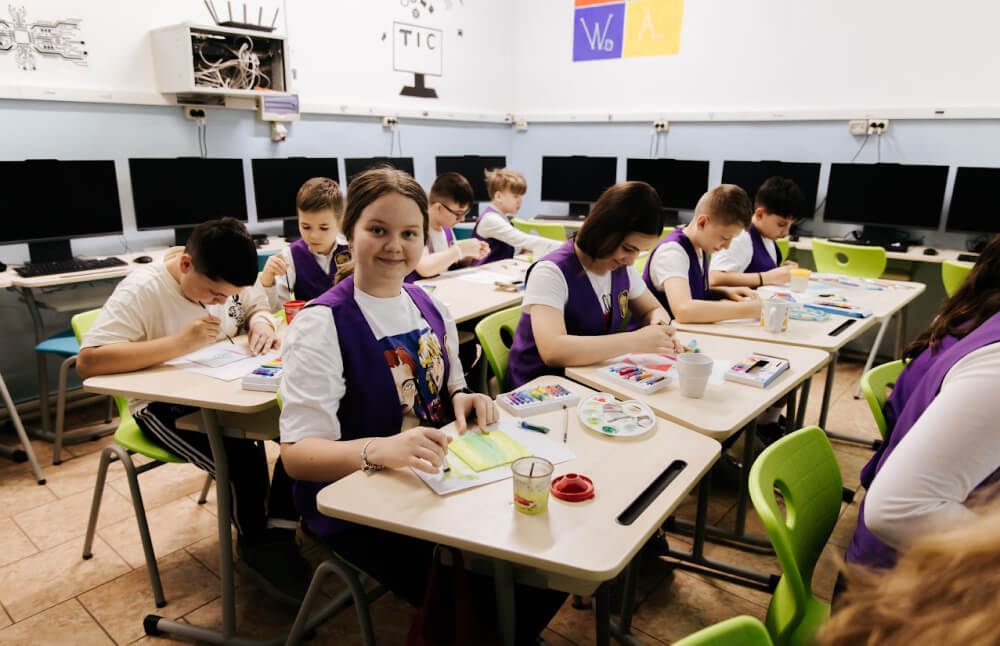
On March 25–26, 2026, at Școala Gimnazială nr. 13 in Timișoara, we ran the first module of the „Micii Artiști. On Stage and in Life” project, dedicated to children's socio-emotional development through art, play and non-formal learning experiences.
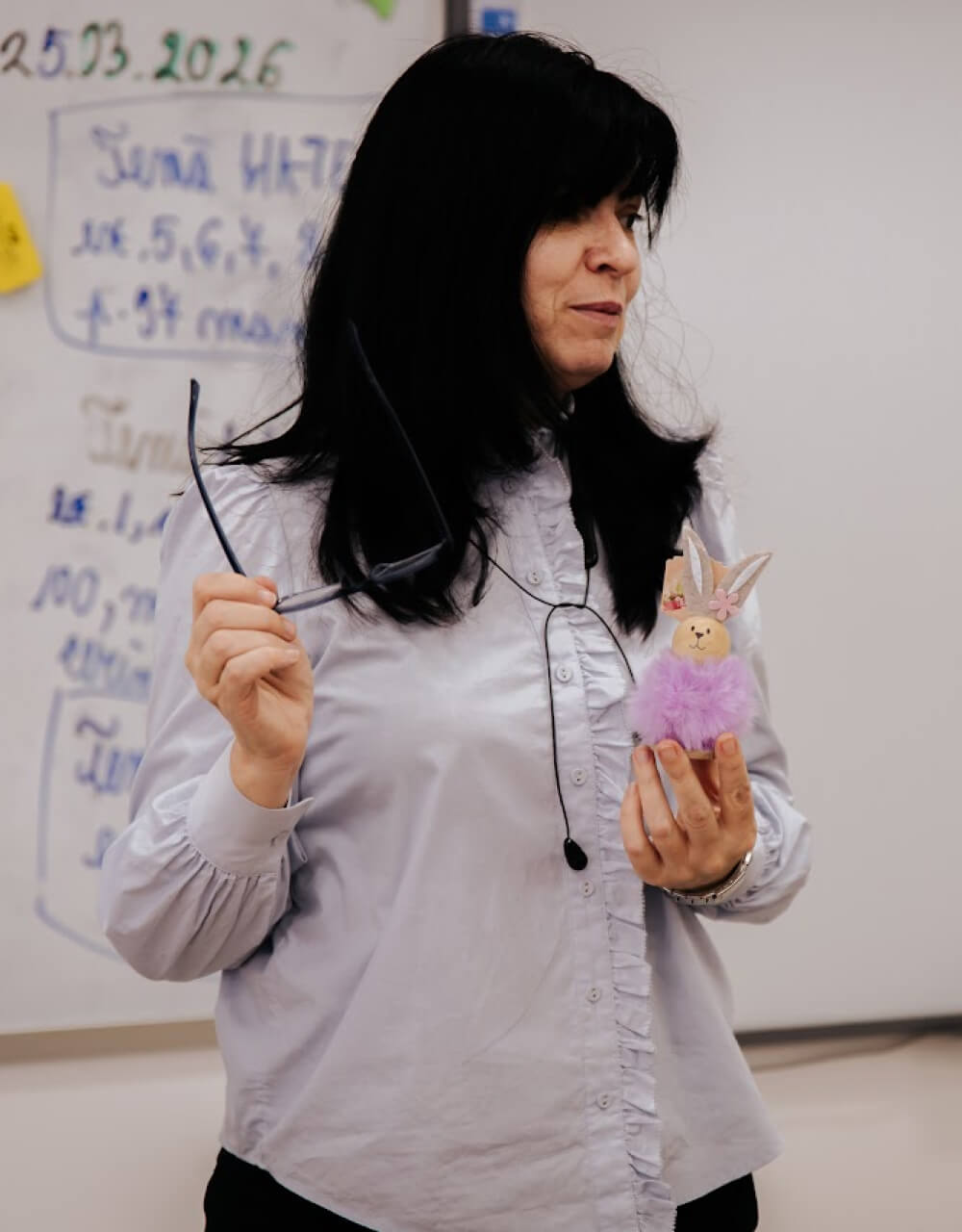
The emotional education through art workshops were led by Marius Constantinescu, psychotherapist and ambassador of good deeds, who guided the children through an experience built around emotions, inner safety and authentic connection.
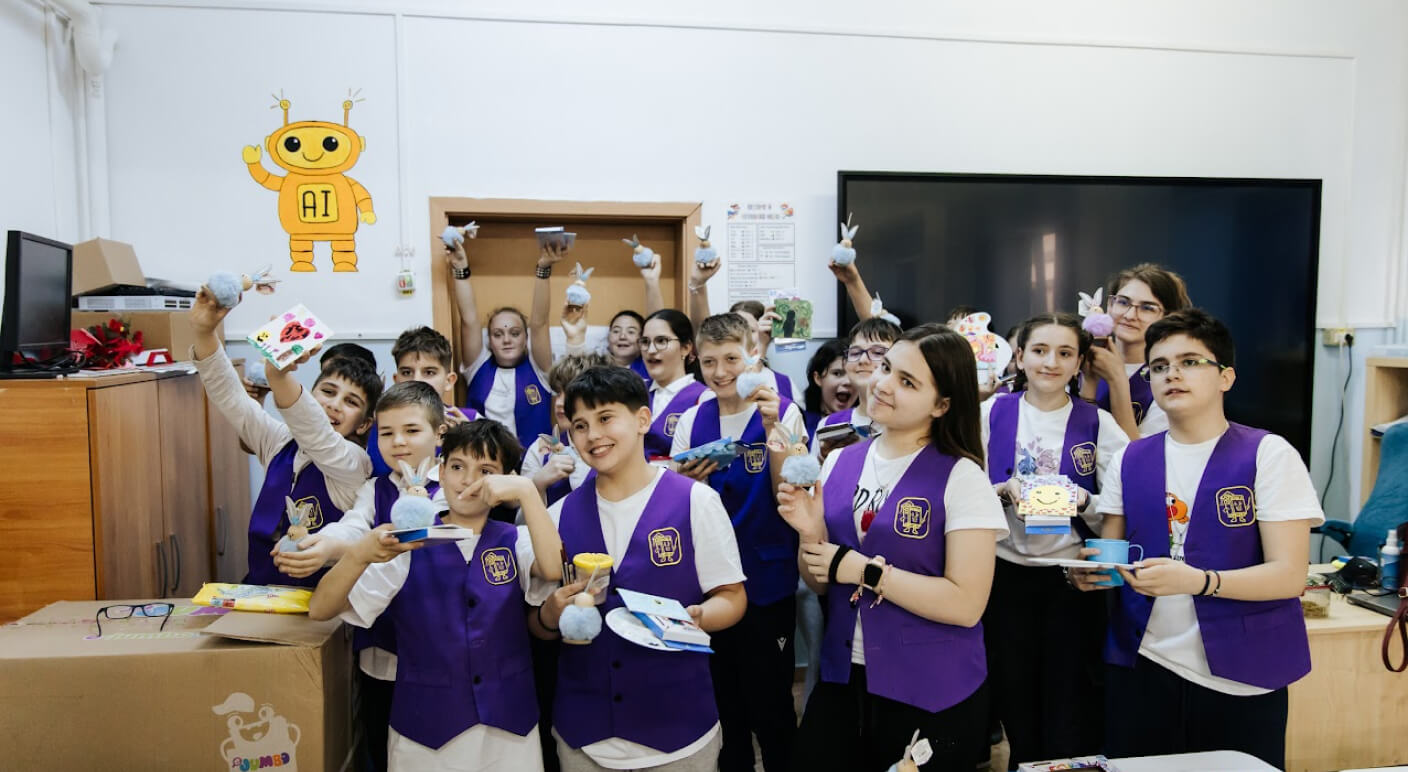
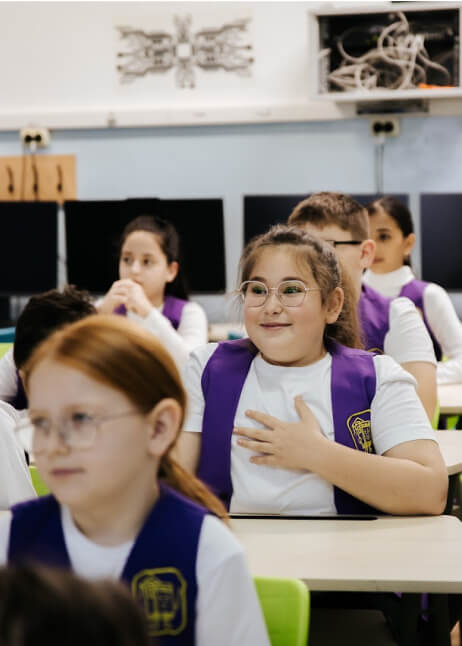
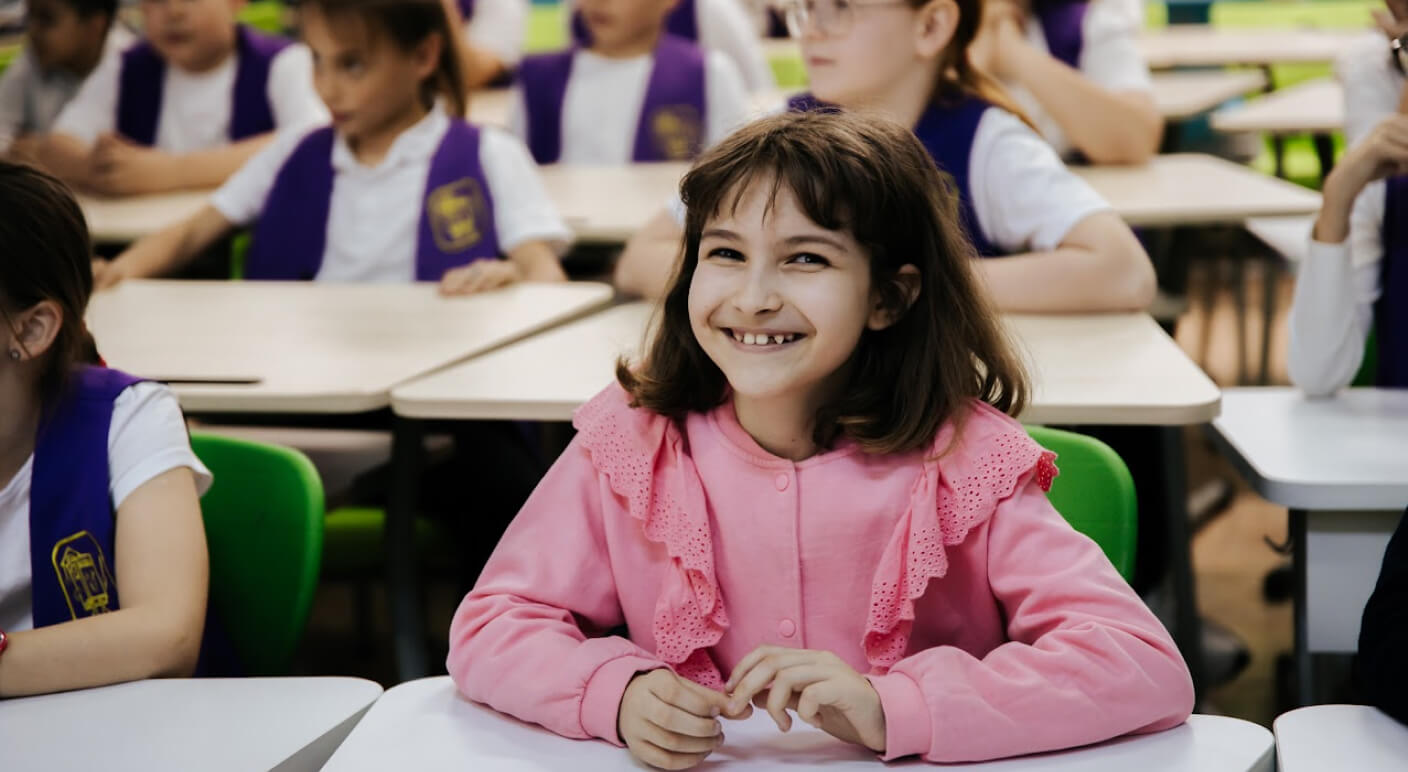
Over the two days, 75 children from Școala Gimnazială nr. 13 in Timișoara took part in interactive activities where they learned to recognize their emotions, understand them and express them in a healthy way.
„Micii Artiști. On Stage and in Life” contributes to developing emotional intelligence and self-confidence in children, giving them access to modern non-formal education methods based on art, creative expression and human connection.
An educational initiative carried out with the support of City of Mara, in partnership with Fundația Alber.
Emotional education for children through non-formal methods
In Romania, children's socio-emotional development is still not sufficiently integrated into the educational process, even though emotional balance and the ability to express oneself are essential for children's healthy development.
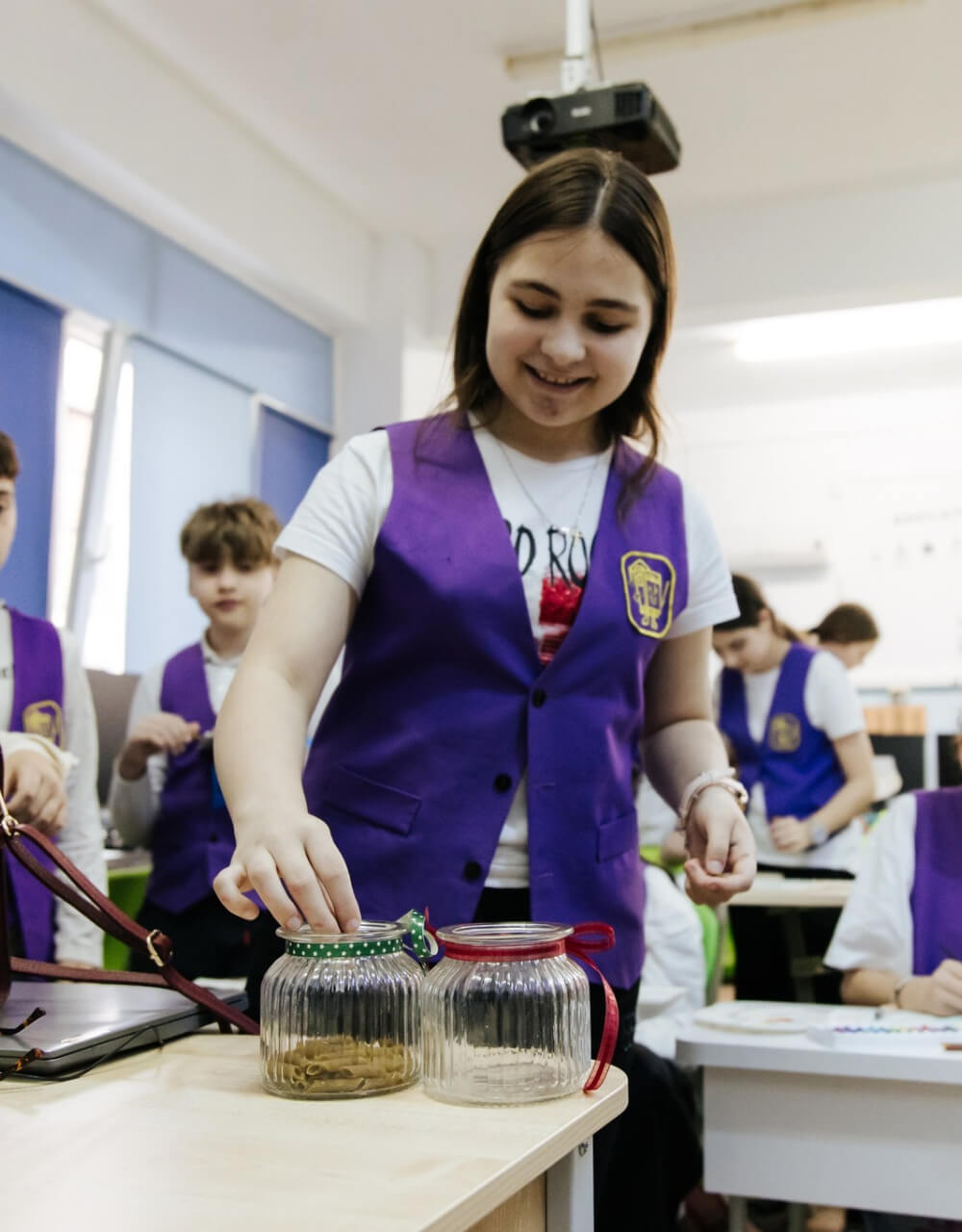
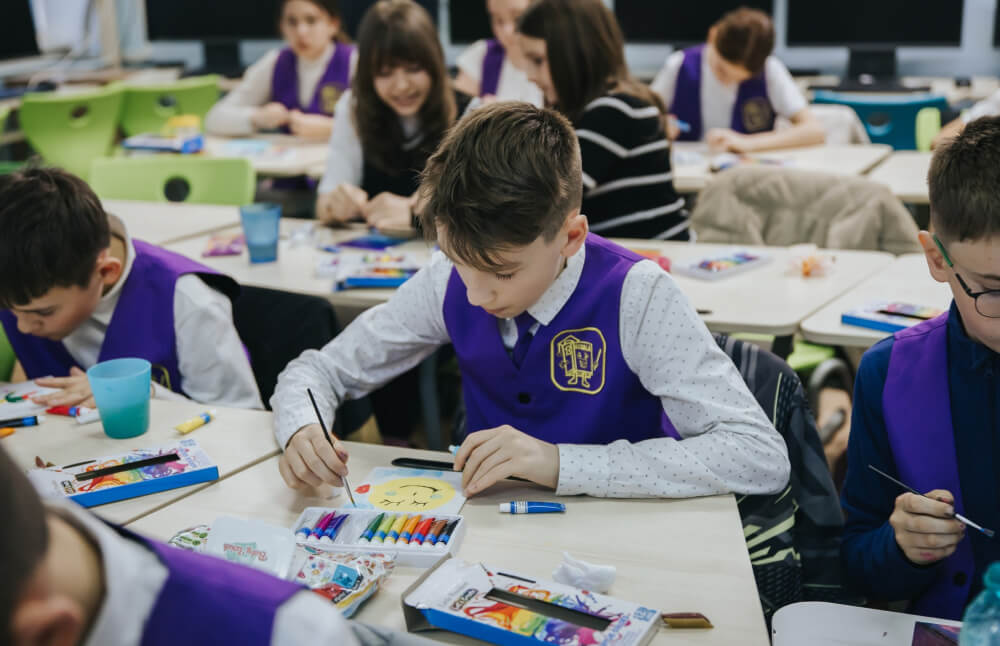
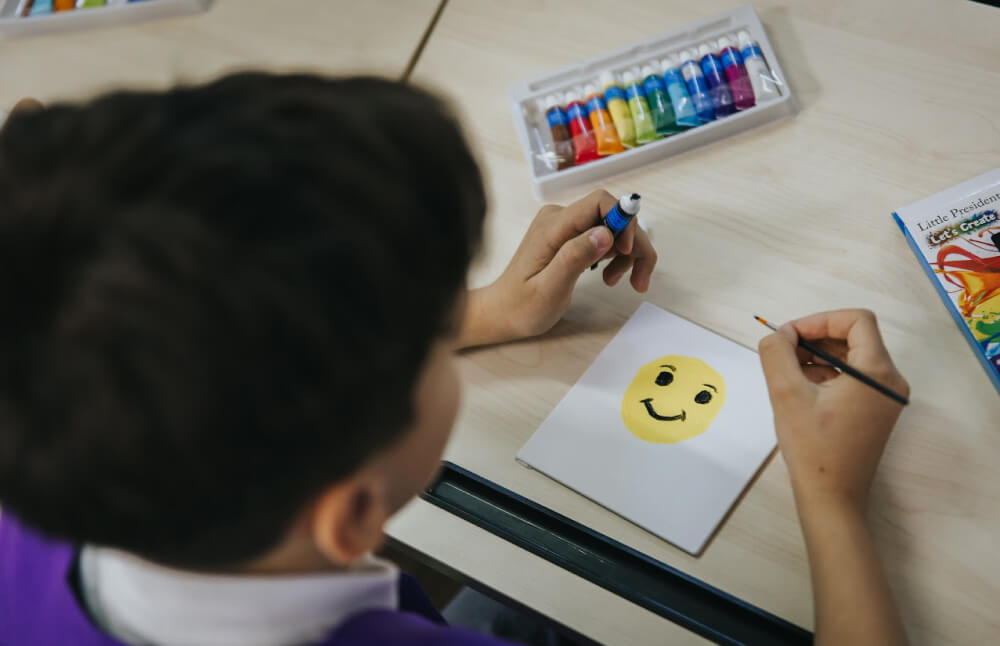
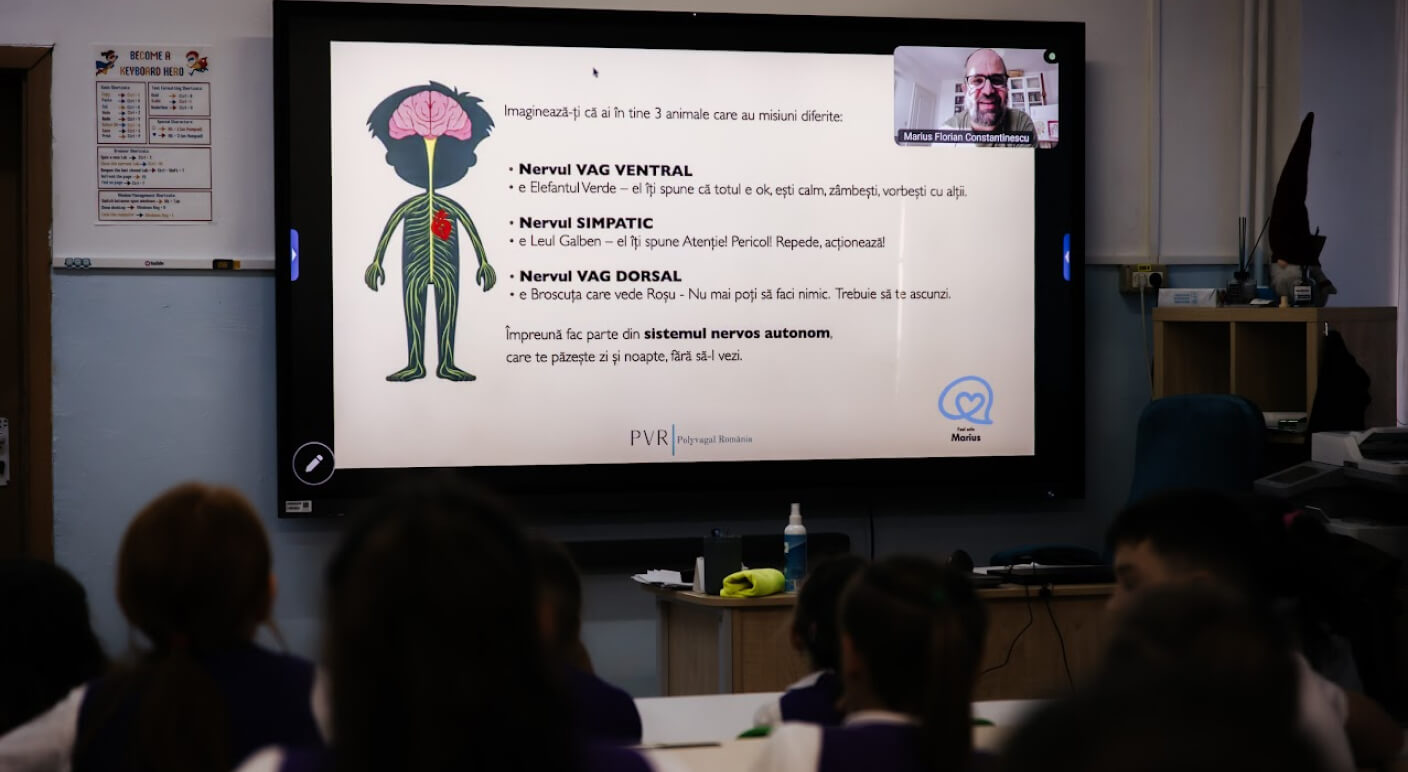
„Micii Artiști. On Stage and in Life” proposed a different approach to emotional education: instead of theoretical lessons, children learned through play, storytelling, movement, painting and direct interaction. The workshops brought concepts from Polyvagal Theory closer to children, explained in terms they could understand, in an accessible and applied way. Through creative activities and connection exercises, participants discovered how emotions work, what a state of safety means, and how they can find balance in their relationship with themselves and those around them.
What was the first module like?
The project's first module brought together 75 children in a safe, warm and interactive space, built around exploring emotions and personal development.
The activities were designed to support the development of socio-emotional skills through creative methods and participatory experiences:
- the „Polyvagal Theory for Children” workshop, coordinated by Marius Constantinescu, where children discovered in an accessible way how emotions work and what inner safety means
- breathing, movement and connection exercises, through which participants learned simple techniques for emotional regulation
- play and storytelling activities inspired by the character Leo, which helped children better understand the relationship between the body, emotions and their reactions
- interactive and creative moments that encouraged free expression, courage and collaboration among children
- discussions and practical exercises about empathy, inner calm and healthy relationships with others
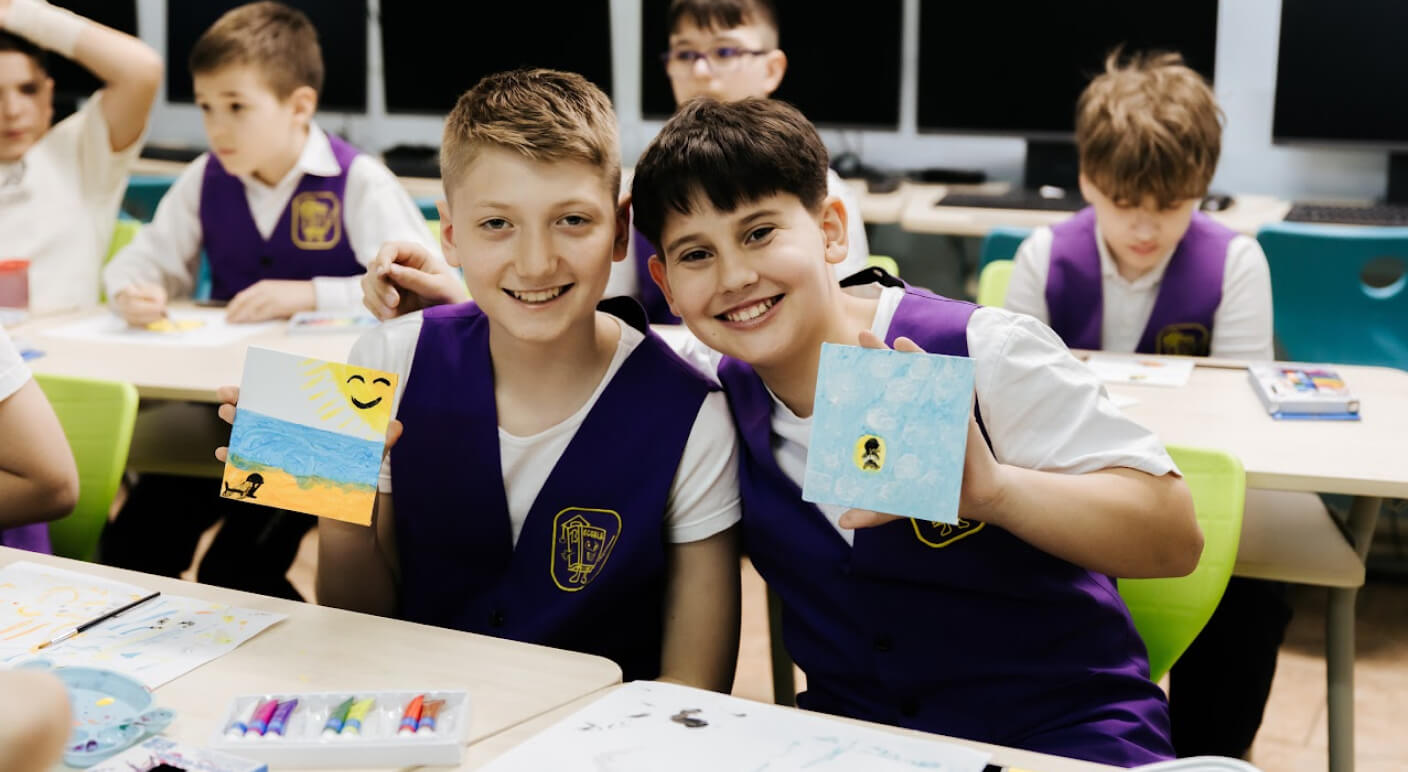
The workshop combined emotional education with music and painting, giving children a natural and engaging way to learn about emotions and human relationships. Concepts from Polyvagal Theory were integrated into creative activities and interactive experiences, which made them easier to understand and apply in everyday life.
What it was like for participants
I imagined a big heart so there would be peace between all of us.
Andrei, 12 years old
We want to find out more about how to help the people around us feel calmer too.
Silvia, 11 years old
What the workshop facilitator said
„I was moved to learn from Dr. Stephen Porges, the creator of Polyvagal Theory, that in Chinese the word for „to listen” also contains the symbol for the heart. True listening always involves the heart, not just the mind. There's this fascinating relationship between sound, word and listening — welcoming the other person inside you. To hear someone simply means being aware of their presence, but to listen to them means inviting them in.
This is the experience I lived these past few days during the workshop created together with Asociația POT SĂ AJUT, in terms children can understand. I love telling students about Leo, the curly-haired kid who, troubled by often uncomfortable sensations, meets Dr. Stephen Porges. Through a wonderful story, Dr. Porges helps him discover the inner map of his sensations.
The children were very curious to find out what it means to be safe. They asked me to explain how they could access „Cocofantul”, the name they preferred — amid fits of laughter — to give one of the characters, so they could bring themselves a state of calm more often. We danced, we breathed, we did a „heart-centering exercise” (that's what I like to call it), and together we called on „Cocofant”, this colorful animal that scientists often call — rather boringly for the imagination of an 8-year-old — the „ventral vagus nerve”.
The „Polyvagal Theory for Children” workshop is such an optimistic story about body and mind, about survival and truth, about life and its spark. The children want to be around Leo, and that makes us very happy.” - Marius Constantinescu, psychotherapist and ambassador of good deeds
Why does emotional education matter for children?
Emotional education helps children understand their emotions, communicate better and build healthy relationships with those around them. Developing emotional intelligence contributes to greater self-confidence, reduced anxiety and a better ability to adapt in different social and educational settings.
Through projects like „Micii Artiști. On Stage and in Life”, children benefit from:
- developing socio-emotional skills
- building self-confidence and the ability to express themselves
- understanding emotions and emotional regulation mechanisms
- stimulating creativity and artistic expression
- non-formal learning experiences tailored to children's real needs
Impact
The project's first module highlighted the importance of emotional education and non-formal methods in children's development.
Through interactive workshops and activities based on play and connection, children learned how to recognize their inner states, manage difficult emotions and build relationships based on empathy and safety.
Over the course of nearly three months, 140 students take part in art workshops, cultural experiences and career guidance activities designed to help them discover their own way of expressing themselves and gain more confidence in who they are.
Partners
Partners: Școala Gimnazială nr. 13 Timișoara, Asociația Provident pentru Educație, Fundația Cărturești, Hotel Continental, 5 to go, Carpathian Jerky, Safala, Arty, Twinkle Star, Noi Hypermarket, Carul cu Miere, Florina Todor Photography, Flori în Culori, A’Clair by Alma Dulce, Cuina Bunicii, Iusti Flower Shop.
Media partners: Kanal D, Kanal D2, Radio Impuls, Ringier România, Revista Biz.
Join us
We believe in the power of partnerships that bring real change to the community. If you want to stand with us, here's how you can help:
- Volunteering - you can get involved in organizing future editions, giving your time and energy to create valuable experiences for children from single-parent families.
- In-kind partnerships - you can contribute spaces, materials, services or expertise, depending on the resources available to you.
- Redirecting 3.5% of income tax (Form 230) or up to 20% of corporate profit/income tax for companies – a simple, no-extra-cost way to support our projects.
- Donations - on our website (the "Donate" page) or, if you're an ING customer, directly from HomeBank, under the Education section – Asociația POT SĂ AJUT, before year end.
Because stories of good are written with people like you.